What to Think about Concerning Place When Choosing Assisted Living Near Me
Business Name: BeeHive Homes of Albuquerque West
Address: 6000 Whiteman Dr NW, Albuquerque, NM 87120
Phone: (505) 302-1919
BeeHive Homes of Albuquerque West
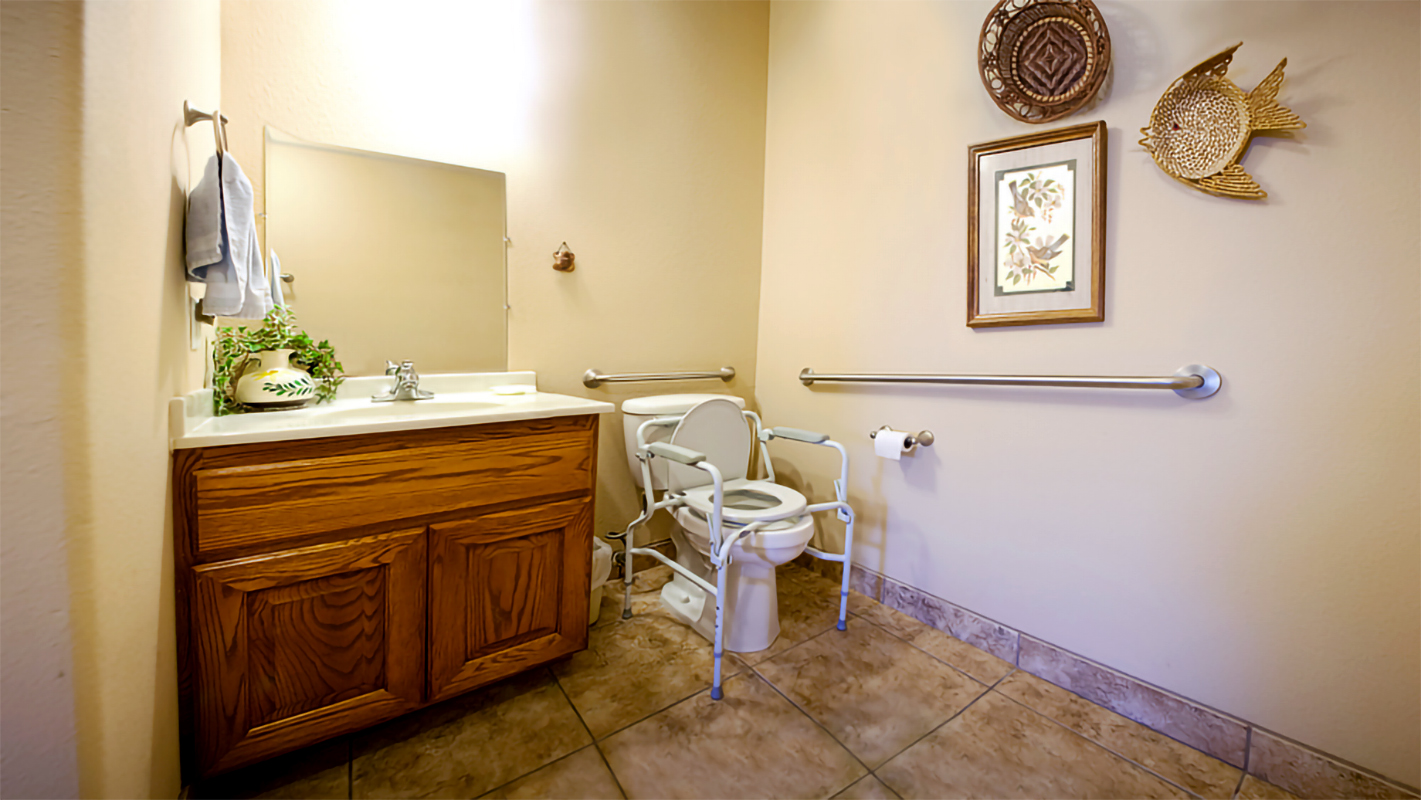
At BeeHive Homes of Albuquerque West, New Mexico, we provide exceptional assisted living in a warm, home-like environment. Residents enjoy private, spacious rooms with ADA-approved bathrooms, delicious home-cooked meals served three times daily, and the benefits of a small, close-knit community. Our compassionate staff offers personalized care and assistance with daily activities, always prioritizing dignity and well-being. With engaging activities that promote health and happiness, BeeHive Homes creates a place where residents truly feel at home. Schedule a tour today and experience the difference.
6000 Whiteman Dr NW, Albuquerque, NM 87120
Business Hours
Choosing assisted living is never nearly the structure itself. The ideal location can make life really feel manageable, connected, and acquainted, while the incorrect area can quietly include stress to every errand, visit, and consultation. Families typically begin with the phrase "assisted living near me" due to the fact that closeness feels like the most basic filter, however location is doing far more job than many people recognize. It affects regular, mood, transportation, medical gain access to, family members visits, neighborhood familiarity, and also how long a resident really feels worked out after the move.
I have actually seen family members invest weeks contrasting layout, dining alternatives, and activity schedules, only to uncover later on that the community's place developed the biggest friction. Perhaps the drive from home was longer than expected. Perhaps wintertime climate made visits harder. Maybe the close-by health center was superb, yet the daily tasks were a headache. Those details audio small initially. In time, they become the details that shape whether assisted living feels supportive or just practical on paper.
Location is part of care, not simply a map pin
When households look for senior care near me, the impulse is often to maintain things near home. That makes good sense. Familiar roadways, neighboring relatives, and recognized doctors can relieve a tough shift. Still, area ought to be reviewed as component of the care strategy, not as a different box to check. A neighborhood's setup can either minimize tension or develop it.
For example, a resident who still takes pleasure in going to church, obtaining a haircut from a long time barber, or having lunch with a sibling every Sunday might do better in assisted living that rests near those routines. One more person may care much less concerning neighborhood familiarity and even more regarding being close to a larger clinical campus, rehabilitation solutions, or an adult child who travels often. There is no global ideal place. There is just the best suitable for a particular individual with a particular background and collection of needs.
That is why "assisted living near me" must not indicate the closest alternative by miles alone. It ought to indicate the location that fits the rhythm of life the resident is trying to keep.
The value of closeness to household is real, but it has layers
Families typically presume that being near kids or grandchildren is the major location concern. It matters, yet the functional side is extra nuanced. A neighborhood may be only 12 miles away and still really feel hard if website traffic turns the drive right into 45 minutes each method. Another may be 25 miles out but sit just off a simple highway, making visits much more predictable.
Nearness issues for greater than social visits. Family members frequently end up being supporters, care coordinators, visit companions, and occasional emergency contacts. A practical drive can make it less complicated to attend care seminars, hand over a favorite blanket, or aid a parent adapt to a new routine. It can additionally decrease the guilt family members often feel when life gets active. If a child can visit after job without crossing the whole metro location, she is most likely to visit often. That consistency matters.
I have additionally seen the opposite. Some relatives select a place more detailed to themselves, thinking it will certainly fix whatever, however then find the resident misses out on longtime close friends, next-door neighbors, or a spiritual area that was central to life. The step may be easier for the family, yet lonelier for the person living there. The goal is not to maximize comfort for one person alone. It is to maintain link where it matters most.
How the bordering neighborhood shapes everyday life
The neighborhood around an assisted living area is entitled to very close attention. A structure can look refined, but what rests outside the front door still affects homeowners every day. Is the area quiet and simple to navigate? Are there sidewalks? Exists a park, a collection, or a coffee shop nearby? Does the neighborhood really feel residential, industrial, or isolated?
Some older grownups take pleasure in a setup that really feels active and metropolitan. They such as enjoying road life, listening to the city, and being near stores or restaurants. Others choose a calmer setting with much less web traffic and less visual distractions. There is no wrong answer, however the setting ought to match the resident's temperament. A person with dementia, for instance, might end up being nervous in a hectic area with consistent activity. Somebody that has actually always lived downtown might really feel depressed in a peaceful place that seems removed from life.
The surrounding neighborhood also influences useful issues like sound, car park, and accessibility for site visitors. A community near a significant road may be convenient however less pleasant for exterior walks. An even more secluded school might be calm yet make fast journeys to the pharmacy or food store much less convenient. Location is not practically the address. It is about what daily life seems like in that address.
Medical access is entitled to even more interest than numerous family members offer it
When contrasting assisted living choices, people usually concentrate on the features noticeable on the tour. They ask about dishes, housekeeping, and gatherings. Those are important. Still, clinical accessibility can become the deciding concern later, specifically if the resident's health changes. The distance of health care workplaces, specialists, hospitals, immediate care facilities, and physical therapy carriers can matter an excellent deal.
A neighborhood near a solid medical facility network may provide assurance if the resident has intricate conditions, constant expert visits, or a history of emergency situation care. If somebody needs normal laboratory work, cardiology follow-ups, or injury care, much shorter transportation times can minimize exhaustion and scheduling headaches. Sometimes, the senior living area itself might work with transport, yet that does not get rid of the relevance of location. A 20-minute visit can easily become an hour-long trip if the course is complicated or the web traffic is bad.
This is one reason families ought to ask not only where the nearest healthcare facility is, however exactly how the community deals with non-emergency medical journeys. Does the team coordinate trips? Are there limitations on when appointments can be arranged? Is the local health center a practical suit for the resident's present and most likely future needs? Good senior care looks ahead. Place must too.

Transportation can transform an excellent place right into a great one, or the reverse
A neighborhood might be physically near every little thing vital and still be annoying if transportation is poor. On the other hand, a slightly more distant place can function wonderfully if the neighborhood provides reputable transportation and simple courses. This is where lots of households underestimate the difference in between "neighboring" and "accessible."
If the resident still drives, concerns concerning the regional roadways come to be important. Are they easy to navigate? Are there left turns across heavy traffic? Are there confusing junctions or locations that really feel demanding after dark? If the resident no more drives, then shuttle service, adventures to consultations, and access to public transit or rideshare options matter also more.
Some homeowners are comfortable depending on arranged transport. Others find set times limiting, particularly if they have a lengthy history of independent living. An area near household can balance out that by making periodic private adventures functional. A neighborhood further away may still work if the transportation system is superb and the resident's schedule is adaptable. Place and transport belong in the same conversation.
The value of regular and the places that hold it
Older adults typically carry a solid local color. They recognize which food store they such as, where they get their prescriptions, which church bench they constantly beinged in, and what course they take to visit a buddy's gravesite. Those regimens may seem minor, however they are part of identity. When a transfer to assisted living disrupts them simultaneously, the change can really feel bigger than the family members expected.
That is why location ought to be determined versus the resident's existing life, not only their future care demands. If somebody still mosts likely to the exact same senior center twice a week, having actually assisted living near that center might be much more meaningful than being 3 minutes more detailed to a youngster's home. If another resident gets convenience from regular visits to a yard, route, or neighborhood coffee shop, maintaining those places accessible can soften the emotional influence of the move.
Sometimes the best assisted living near me is the one that allows a person keep 2 or 3 treasured routines undamaged. The right setup can protect sufficient of the old life to make the new one really feel less like a rupture.
Weather and seasons matter greater than individuals think
Location choices must account for climate, not simply distance. An area that appears enclose summer may become challenging in winter season. Ice, snow, hefty rain, warmth, and even high wind can influence just how typically household visits occur and just how risk-free trips really feel. In regions with severe winters, a short drive can still be stressful if roadways freeze very early or commonly. In hot environments, long exterior walks or long term exposure while waiting on transportation can be tiring for older adults.
Families sometimes neglect these seasonal truths since they are touring in positive weather condition. A shaded yard looks appealing in spring, however if the area ends up being unusable in August, that matters. An area on a hectic roadway may be bearable most of the year but challenging during storm period when traffic backs up and presence declines. For residents with minimal wheelchair, also the walk from vehicle parking to the entry can really feel extremely different relying on the season.
When evaluating area, think through a full year instead of a solitary enjoyable afternoon. The best senior living option must still really feel manageable in the months that are much less forgiving.
Balance privacy with access
There is a silent trade-off in area that family members need to speak about truthfully. Some people desire assisted living in a dynamic area because it feels linked and invigorating. Others want an even more exclusive campus due to the fact that they value tranquil, safety, and fewer disturbances. Neither preference is trivial.
A country location may offer a complacency, even more green room, and less complicated vehicle parking for checking out family. An urban area might use cultural tourist attractions, closeness to experts, and much less reliance on automobiles. A country setting may provide peace and area to take a breath, however it can additionally suggest longer emergency situation reaction times or fewer close-by solutions. Each setting brings advantages and compromises.
The question is not whether one environment is universally better. It is whether the place sustains the resident's everyday wellness without developing preventable rubbing. For somebody that obtains overwhelmed quickly, a quieter setting may be worth a slightly longer drive. For somebody that prospers on excitement and variety, an extra energetic location might be the right match also if it includes more traffic.
Visit patterns reveal a lot
When touring areas, take note not only to what you see inside the building but to just how very easy it is to think of visiting routinely. Exist clear indications from the road? Is vehicle parking simple? Can a spouse in later life make the drive without stress? Can grandchildren come after school without a complex route?
These details matter due to the fact that assisted living works best when link survives. Residents frequently do much better when household can visit frequently enough to continue to be part of the textile of daily life. Some family members are reasonable about their limits and choose a place that makes spontaneous visits possible. That kind of accessibility can be better than a somewhat larger room or fancier lobby.
I once heard a household claim they picked an area since the grown-up son can visit on his lunch break. That single information transformed whatever. He came to be a consistent presence rather than a weekend-only site visitor, and his mother adjusted more quickly because she felt much less deserted. In some cases location is not concerning grand motions. It has to do with making normal call very easy sufficient to take place often.
Questions worth asking prior to you decide
A tour can only inform you a lot. One of the most helpful area concerns are typically useful and details. They reveal exactly how a neighborhood will certainly operate when the pamphlet is forgotten and the actual regular starts. If you are contrasting assisted living near me choices, it assists to ask about access senior care in plain language, not simply general impressions.
Here are a couple of questions that have a tendency to discover the important details:
- How long does it usually require to get to the nearby health center, immediate care center, and pharmacy?
- What does transport appear like for clinical visits and errands?
- How simple is the drive for family members throughout rush hour, at night, and in negative weather?
- Are there neighboring areas the resident can still enjoy, such as parks, worship websites, or favorite shops?
- How does the community really feel at different times of day?
Those concerns do not require an excellent solution, but they do reveal whether the location sustains the life you are trying to protect.
When the closest alternative is not the very best option
Families in some cases really feel stress to select the closest neighborhood due to the fact that it is simpler to describe and easier to take care of. Distance, nevertheless, is just one dimension. If the local location has poor accessibility to treatment, a challenging neighborhood, restricted transport, or an environment that does not match the resident's personality, the ease might be short-lived.
This is especially true when the individual moving in has transforming health and wellness demands. An area that functions well for someone that is fairly independent might not hold up if wheelchair decreases or visits end up being more frequent. That does not indicate you need to overplan for each possibility. It implies you ought to believe plainly about whether the area can adjust with the resident for the next stage, not just the first month.
Sometimes the best selection is an area that is not the closest one, but is still within a reasonable drive and far better straightened with the resident's real life. That is a mature choice, not a compromise. Excellent senior care is rarely concerning one of the most practical choice. It is about the most workable one.
The best location is the one that decreases friction
At its core, location should make life smoother. It must lower the variety of challenges in between the resident and the important things that matter most, whether that is household, medical care, acquainted regimens, or a peaceful daily rhythm. A great address should not ask the resident to function harder simply to remain connected and supported.
When people look for assisted living near me, they are commonly searching for peace of mind as much as geography. They wish to know that the community is close enough to be entailed, but also appropriate enough to count on. They desire senior living that feels functional, gentle, and stable. Location forms all of that more than many people expect.
The right option generally becomes clear when you quit asking only how close the area is and begin asking what that nearness in fact permits. Can the family visit without dread? Can the resident reach care rapidly? Can every day life still really feel familiar? Can the seasons be taken care of without constant tension? If the response to those questions is yes, the location is possibly doing real operate in the resident's favor.

That is what makes location worth mindful research study. Not since it is the flashiest part of the decision, yet since it quietly affects practically every little thing that comes after the move.
BeeHive Homes of Albuquerque West provides assisted living care
BeeHive Homes of Albuquerque West provides memory care services
BeeHive Homes of Albuquerque West provides respite care services
BeeHive Homes of Albuquerque West offers support from professional caregivers
BeeHive Homes of Albuquerque West offers private bedrooms with private bathrooms
BeeHive Homes of Albuquerque West provides medication monitoring and documentation
BeeHive Homes of Albuquerque West serves dietitian-approved meals
BeeHive Homes of Albuquerque West provides housekeeping services
BeeHive Homes of Albuquerque West provides laundry services
BeeHive Homes of Albuquerque West offers community dining and social engagement activities
BeeHive Homes of Albuquerque West features life enrichment activities
BeeHive Homes of Albuquerque West supports personal care assistance during meals and daily routines
BeeHive Homes of Albuquerque West promotes frequent physical and mental exercise opportunities
BeeHive Homes of Albuquerque West provides a home-like residential environment
BeeHive Homes of Albuquerque West creates customized care plans as residents’ needs change
BeeHive Homes of Albuquerque West assesses individual resident care needs
BeeHive Homes of Albuquerque West accepts private pay and long-term care insurance
BeeHive Homes of Albuquerque West assists qualified veterans with Aid and Attendance benefits
BeeHive Homes of Albuquerque West encourages meaningful resident-to-staff relationships
BeeHive Homes of Albuquerque West delivers compassionate, attentive senior care focused on dignity and comfort
BeeHive Homes of Albuquerque West has a phone number of (505) 302-1919
BeeHive Homes of Albuquerque West has an address of 6000 Whiteman Dr NW, Albuquerque, NM 87120
BeeHive Homes of Albuquerque West has a website https://beehivehomes.com/locations/albuquerque-west/
BeeHive Homes of Albuquerque West has Google Maps listing https://maps.app.goo.gl/R1bEL8jYMtgheUH96
BeeHive Homes of Albuquerque West has Facebook page https://www.facebook.com/BeehiveABQW/
BeeHive Homes of Albuquerque West won Top Assisted Living Homes 2025
BeeHive Homes of Albuquerque West earned Best Customer Service Award 2024
BeeHive Homes of Albuquerque West placed 1st for Senior Living Communities 2025
People Also Ask about BeeHive Homes of Albuquerque West
What is BeeHive Homes of Albuquerque West monthly room rate?
Our base rate is $6,900 per month, but the rate each resident pays depends on the level of care that is needed. We do an initial evaluation for each potential resident to determine the level of care needed. The monthly rate is based on this evaluation. We also charge a one-time community fee of $2,000.
Can residents stay in BeeHive Homes of Albuquerque West until the end of their life?
Usually yes. There are exceptions, such as when there are safety issues with the resident, or they need 24 hour skilled nursing services.
Does Medicare or Medicaid pay for a stay at Bee Hive Homes?
Medicare pays for hospital and nursing home stays, but does not pay for assisted living as a covered benefit. Some assisted living facilities are Medicaid providers but we are not. We do accept private pay, long-term care insurance, and we can assist qualified Veterans with approval for the Aid and Attendance program.
Do we have a nurse on staff?
We do have a nurse on contract who is available as a resource to our staff but our residents' needs do not require a nurse on-site. We always have trained caregivers in the home and awake around the clock.
Do we allow pets at Bee Hive?
Yes, we allow small pets as long as the resident is able to care for them. State regulations require that we have evidence of current immunizations for any required shots.
Do we have a pharmacy that fills prescriptions?
We do have a relationship with an excellent pharmacy that is able to deliver to us and packages most medications in punch-cards, which improves storage and safety. We can work with any pharmacy you choose but do highly recommend our institutional pharmacy partner.
Do we offer medication administration?
Our caregivers are trained in assisting with medication administration. They assist the residents in getting the right medications at the right times, and we store all medications securely. In some situations we can assist a diabetic resident to self-administer insulin injections. We also have the services of a pharmacist for regular medication reviews to ensure our residents are getting the most appropriate medications for their needs.
Where is BeeHive Homes of Albuquerque West located?
BeeHive Homes of Albuquerque West is conveniently located at 6000 Whiteman Dr NW, Albuquerque, NM 87120. You can easily find directions on Google Maps or call at (505) 302-1919 Monday through Sunday 10am to 7pm
How can I contact BeeHive Homes of Albuquerque West?
You can contact BeeHive Homes of Albuquerque West by phone at: (505) 302-1919, visit their website at https://beehivehomes.com/locations/albuquerque-west, or connect on social media via Facebook
The Indian Pueblo Cultural Center offers engaging exhibits and cultural education ideal for assisted living and memory care residents during senior care or respite care outings.